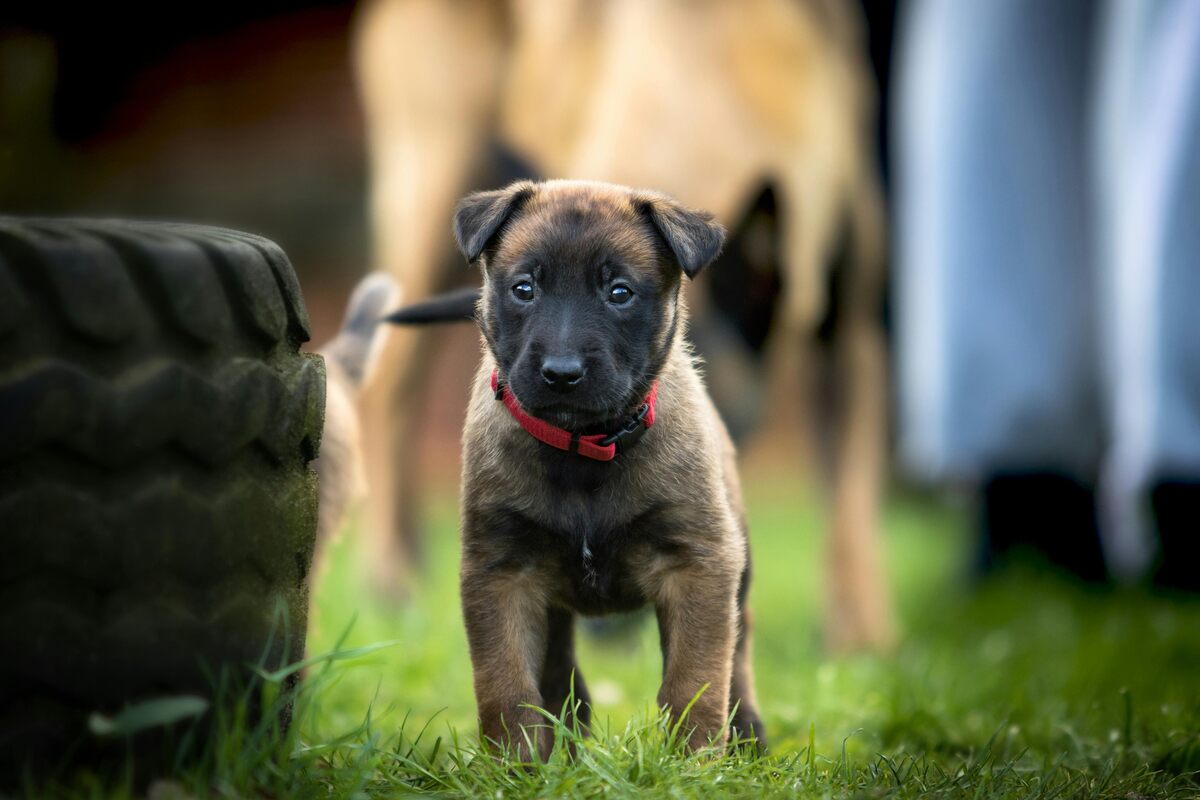
Puppies go through socialisation period from 8 to 14 weeks of age. This is probably the most important 6 weeks of his life. It is referred to as a ‘critical window’ because once this time has gone then the opportunity to socialise effectively is more difficult. Dogs that are not well socialised run the risk of developing behavioural issues – the number one reason for surrender in Australia.
To get puppy off to the best start, begin training from day one. So, over the next few weeks take the time to plan trips every day to different places or to meet new people. You can’t over socialise your dog (providing it is voluntary (see below)). Allow and encourage puppy to explore, sniff, and play. Make it fun for him so that positive associations can be made.
The number 1 rule for socialising your dog is that it must be voluntary. This means that puppy is giving his permission to interact. This is just so important. If you force your puppy to interact with new people or environments when he doesn’t want to, it can lead to behavioural issues including fear and anxiety. When done correctly, puppies can grow with independence, trust, confidence, and resilience.
A few key points
- Set puppy up for success with support and trust. Teach puppy that he can rely on you to look out for him when interacting with new things or people.
- Encourage interactions. Allow puppy to sniff and explore or play if safe to do so. Puppy isn’t fully vaccinated at this point so some level of care needs to be taken. No meeting of unknown dogs.
- Small, regular exposure is best. You don’t want to overwhelm your puppy. Start with very small exposures using the 4D’s (distance, duration, difficulty, distraction) as your barometer.
- Watch puppy’s body language. Being a good leader for your puppy starts with learning how to communicate effectively. Learn to read your dog (see our blog on Communication). Is puppy exhibiting fear? Is he ok? Do I need to increase the distance with something that puppy is unsure about? Should I take puppy home?
Always err on the side of caution. If you think that puppy might be feeling anxious or fearful in a situation, then your priority is to remove puppy from the situation as opposed remaining and risking a poor experience. One very easy way to tell if puppy is stressed is if he stops taking treats. This is usually a good indicator that puppy is not comfortable. Simply increase the distance until puppy feels more confident around the thing with multiple exposures.
The key is to be a good leader for your puppy by giving him the space and confidence to safely explore his new world. This is a key component in developing a well-rounded dog with a significantly lower risk of developing behavioural issues during the critical socialisation window.