If you’ve ever found yourself wondering, “Did I reward that at the right time?” or “What am I actually supposed to be rewarding?” — you’re not alone.
Rewarding a puppy sounds simple, but in real life it’s often the part of training that causes the most confusion. Puppies move quickly, distractions pop up everywhere, and sometimes it feels like everything happens at once.
The good news? Once you understand how and when to reward, training becomes clearer, calmer, and much more enjoyable — for both you and your puppy.
What Does “Positive Reinforcement” Actually Mean?
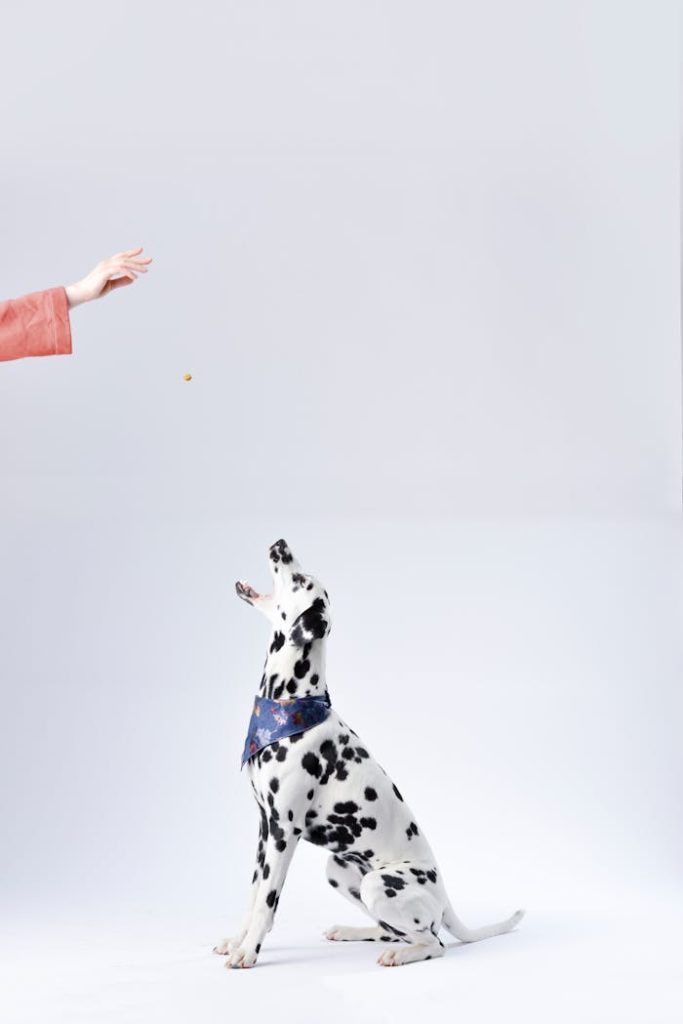
Positive reinforcement simply means adding something your puppy likes (such as food, praise, or play) immediately after a behaviour you want to see again.
If the behaviour increases, the reinforcement is working.
It’s not about bribing, spoiling, or letting your puppy “get away with things”. It’s about teaching your puppy which behaviours work in the human world.
WHO Should Be Rewarding Your Puppy?
Everyone in the household should be on the same page.
If one person rewards calm behaviour and another accidentally rewards jumping or barking, your puppy ends up confused — not “naughty”.
Real-life example:
Your puppy sits nicely when you come home, and you quietly reward them. Later, another family member gets home and pats the puppy while they’re jumping up. From the puppy’s point of view, both behaviours worked.
Consistency between people makes learning much faster and far less frustrating.
WHAT Should You Reward With?
The best reward is whatever your puppy finds valuable in that moment.
For most puppies, food is the easiest and clearest reward — especially in the early months.
Good reward options include:
- Tiny pieces of soft food (chicken, cheese, or training treats)
- Gentle praise
- Toys or a short game
- Access to something the puppy wants (going outside, greeting a person, sniffing)
Real-life example:
If your puppy sits politely before going outside, the door opening can be the reward. Food doesn’t always have to be involved.
WHERE Does Rewarding Matter Most?
Puppies don’t automatically understand that a behaviour learned in one place applies everywhere else.
Real-life example:
Your puppy sits perfectly in the kitchen but ignores you at the park. This doesn’t mean they’re being stubborn — it means the park is much harder.
When the environment gets more distracting:
- Increase reward value
- Reward more often
- Lower your expectations temporarily
Training is always easiest at home and hardest out in the real world.
WHEN Should You Reward?
Timing is everything.
Your puppy learns from what happens within one or two seconds of the behaviour.
Real-life examples:
- Your puppy sits → reward while they’re still sitting
- Your puppy chooses not to jump → reward before they jump
- Your puppy looks at you instead of pulling → reward the moment they look back
If you reward too late, your puppy may think they’re being rewarded for something completely different.
Many trainers use a marker word like “Yes!” to help with timing. It tells your puppy, “That — right there — was correct.”
HOW Should You Give the Reward?
How you deliver the reward can change the behaviour you get next.
- Calm rewards for calm behaviour
- More excitement for active behaviours
- Reward placement matters (on the ground for calm, not waved in the air)
Real-life example:
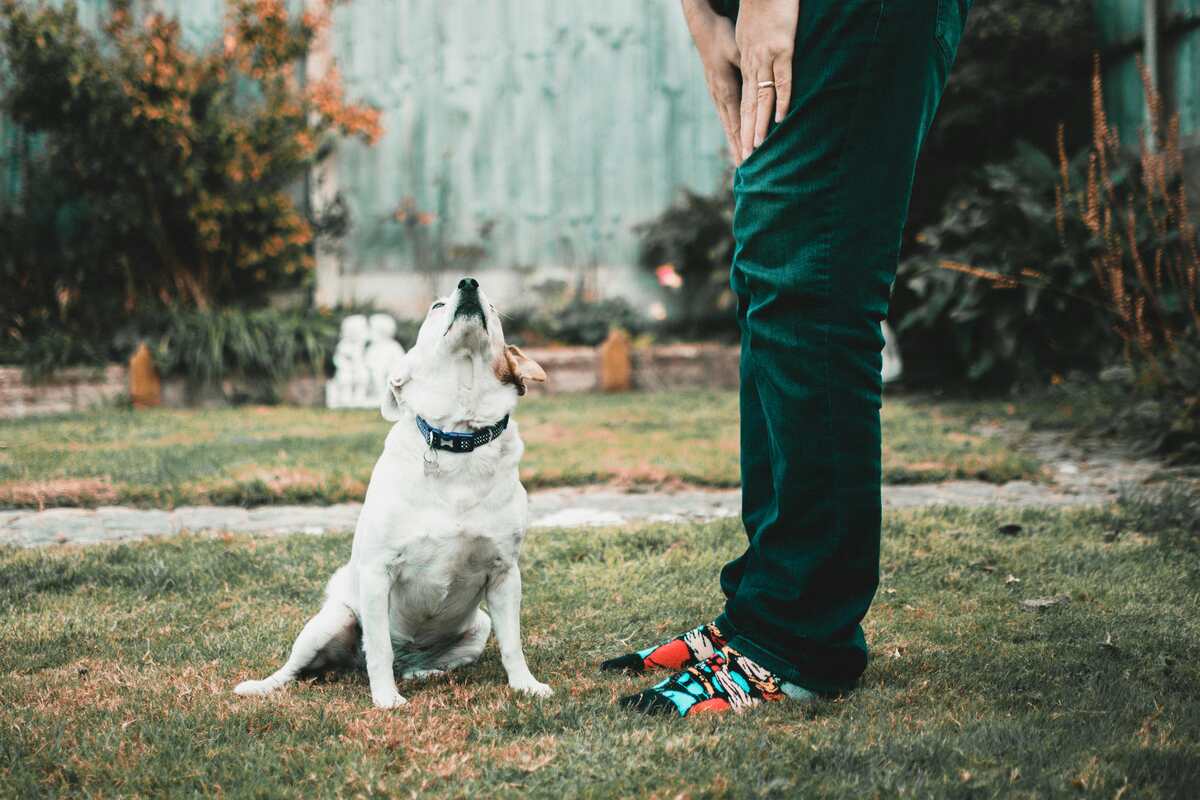
If you want your puppy to stop jumping, avoid delivering rewards at face height. Instead, reward them while all four feet are on the ground.
Rewarding Good Choices (Even When You Didn’t Ask)
One of the most powerful things you can do is reward your puppy for offering good behaviour on their own.
Real-life examples:
- Your puppy lies down quietly while you’re on the couch
- They walk past another dog without reacting
- They settle on their mat while you eat dinner
These moments are gold. Rewarding them teaches your puppy that calm, thoughtful choices pay off.
Common Rewarding Mistakes (That Almost Everyone Makes)
- Rewarding too late
- Only rewarding when food is visible
- Expecting perfect behaviour too soon
- Stopping rewards before the puppy really understands
- Accidentally rewarding behaviours you don’t want
- Failure to fade out food treats using successive approximations
None of these mean you’re failing — they’re just part of learning how to train.
Rewards Build More Than Behaviour
Reward-based training isn’t just about teaching sits and stays. It builds:
- Trust
- Confidence
- A strong relationship
- A puppy who enjoys learning
When puppies feel safe and successful, they learn faster and cope better with the world around them.
Final Thought
If you’re ever unsure what to do, ask yourself:
“What behaviour do I want to see more of?”
Then reward that.
Training doesn’t have to be complicated — it just needs to be clear.