One of the biggest challenges you will face is puppy biting. It is a very normal puppy behaviour, but it’s important to understand why they resort to biting before trying to address it.
Puppies communicate with their littermates through bite. They learn bite inhibition, play, and find their way around their world through with, amongst other things, their mouths. If you watch how puppies play, it is quite rough. They tackle each other, flip-flop around, bite each other’s faces, bodies, tail, ears, legs and feet – and this is for fun!
So, when you bring a puppy home and, especially if you have young kids running around, puppy will be excited about this. They love the energy, the noise, and all of the moving parts that go along with the play. Puppies will automatically gravitate towards this activity. When they do join in however, they will use their mouths and teeth to interact – because that is how they have been taught to interact with their littermates.
Puppies also chew to strengthen their jaws and sharpen their teeth. They do this natural behaviour because they are carnivorous – meat eaters. They have been chewing on things for thousands of years, so they are not going to change! What is important is to train puppy that ‘people’ are not chewable items.
Puppies’ teeth will also start to fall out after a few months when their adult teeth start to come through. This is very painful for puppy so he will chew and gnaw on just about anything to relieve the pain.
So, now that you understand that it is normal, you should just let him bite you, right? Wrong! That would be terrible and no fun at all – especially for your children. Even though it is a normal, natural behaviour, puppy needs to understand firstly, that biting is not how to interact with people, and secondly, what to do instead of biting.
So that’s the why, now what do we do about it?
One of the first things you need to do is to teach puppy a common language. This common language is going to teach puppy the behaviour you like and want more of and the behaviour you want less of through ‘marker’ training. So, when your puppy does something you want more of you say, ‘yes’ and when he does something you don’t like, you say ‘no’ or ‘uh-ha’. The word ‘uh-ha’ for a minor indiscretion and the word ‘no’ for a serious indiscretion.
Training ‘yes’ and ‘no’.
- Identify the behaviour: decide on the specific behaviour you want your dog to perform.
- Mark the behaviour by saying ‘yes’ or ‘no’ as soon as possible.
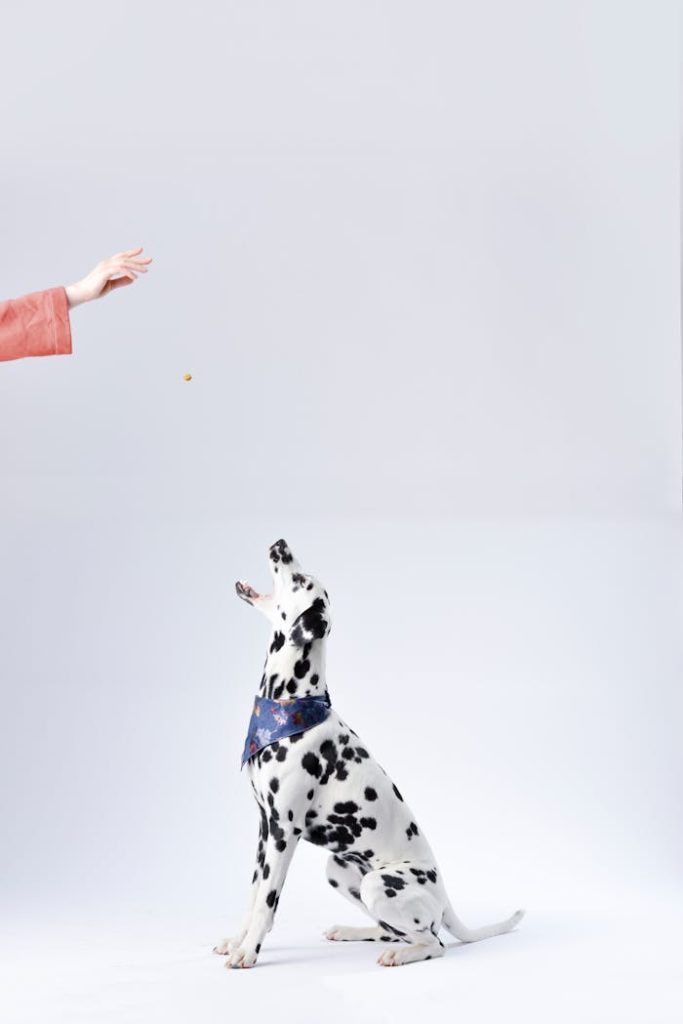
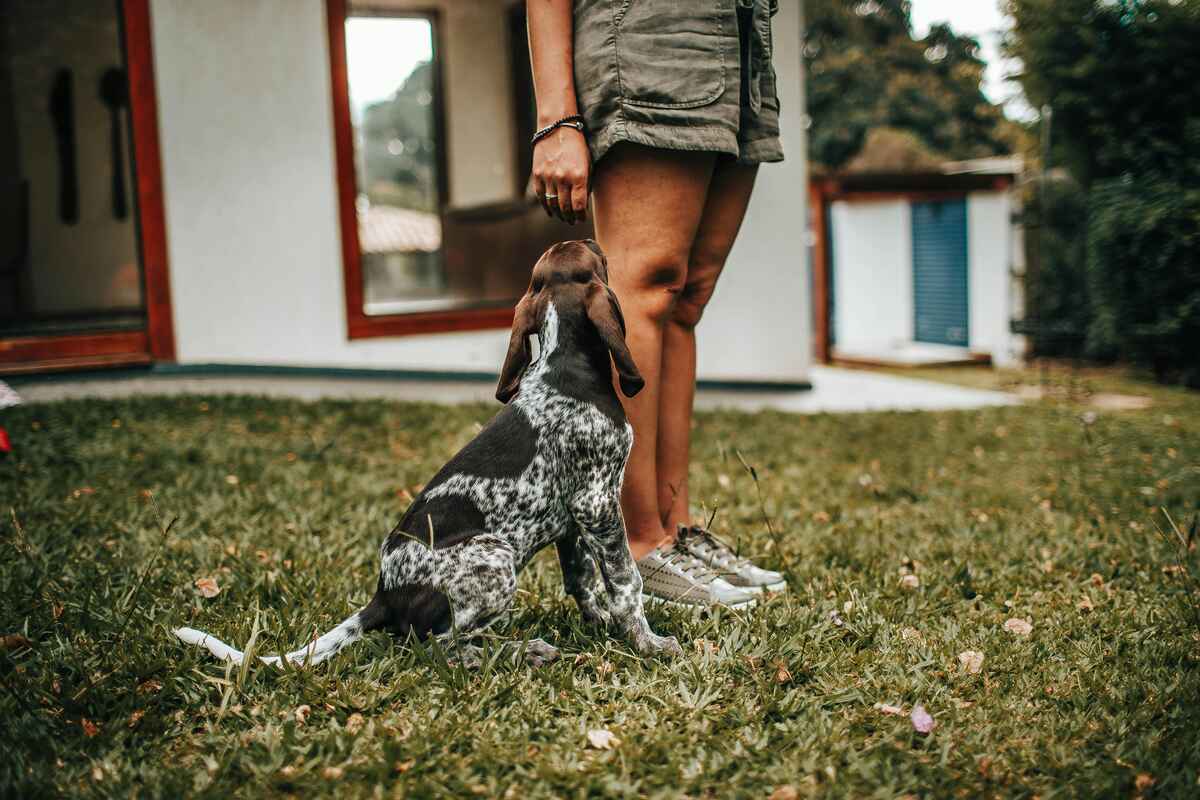
- Reward the behaviour. Decide what the behaviour is that you want. Direct or lure him into the correct behaviour and then follow up with a treat or praise to reinforce the correct behaviour.
- Consistency. Use the cue consistently to ensure puppy understands which behaviours are rewarded.
- Use Positive Reinforcement. Focus on rewarding good behaviour rather than punishing unwanted behaviour.
By teaching the ‘yes’ and ‘no’ cues you can help your dog learn new behaviours and improve their obedience. Remember that patience and consistency are key to successful training.
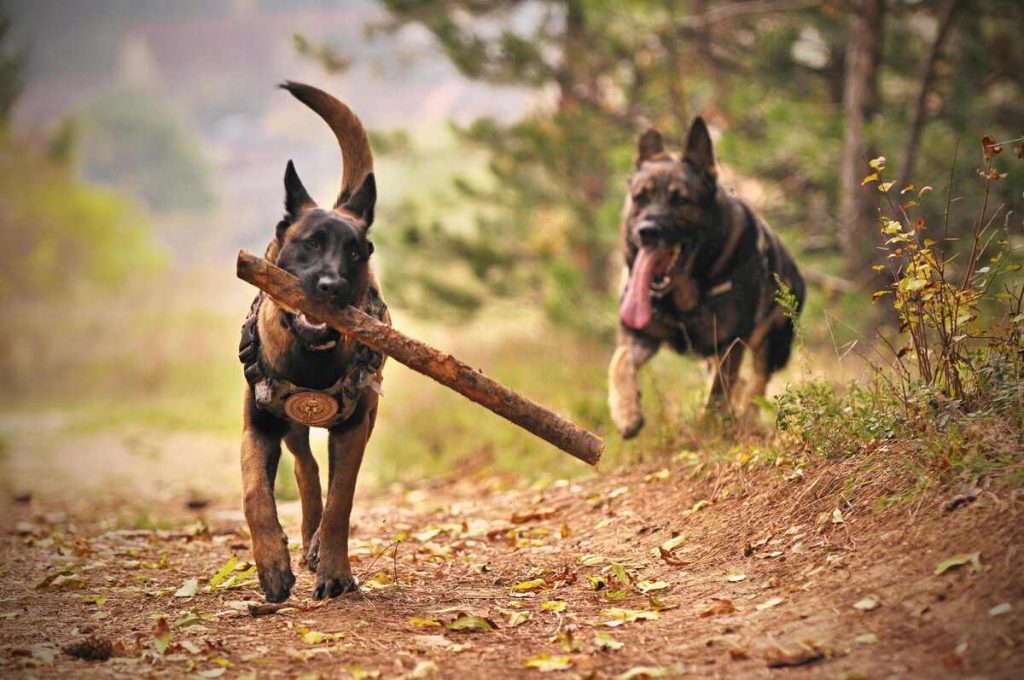
The next step in the process is Redirection. To redirect our pups we need to have appropriate chew toys – both hard and soft. Sometimes he may want something soft to gnaw on and sometimes he will want something more sturdy such as a rope chew toy. If he is trying to chew on you or the kids, maybe redirect with a soft toy. If he is gnawing on hard furniture, give him something a bit tougher than a soft chew toy. Also consider using frozen chews like teething rings or a frozen Kong with peanut butter or soft cheese.
Tip: Grab a facecloth and wet it. Grab some tasty treats and roll them up in the wash cloth and tie a knot in it then throw it in the freezer for 30 minutes. Give it to puppy in their crate. He will love it!
Educate your family on how to interact with puppy. For example, if the kids are outside running, jumping, screeching, giggling etc your puppy is going to want to join in on the fun. However, if your kids are running around going crazy, your puppy is going to be revved up and ready to chase and chew on the thing he is chasing. Not because he is naughty, it is just instinctual. If something or someone is running, puppy will chase and nip or grab at shoes and ankles. Unless you can 100% guarantee your undivided attention and supervise play, keep puppy inside and separate until you can supervise.
Teach your kids to play games with puppy such and hide and seek. Simply have someone hold puppy while your kids hide. Have your kids call out to puppy so that he starts to investigate and find the kids. Once he sniffs them out, give him a tasty treat or play with his favourite toy. Puppy will soon catch on to this game.
No rough housing! Encouraging puppy to play rough will encourage puppy to bite. So, no rough play with puppy.
Put puppy on a routine so that he doesn’t just have play time all day. So let him have some structured play time then settle in a crate or playpen. Repeat this throughout the day. This will keep puppy busy but also teach him how to settle and be on his own. So maybe have a structured playtime, training time, toilet time, then back into his crate with a chew toy and quiet time.
If puppy is biting, try picking him up from behind in the air for a few seconds until he settles. Sometimes the interruption can help him settle. Facing him away from you automatically stops the biting.
Put ‘calm’ on cue. So, stroke puppy slowly while saying ‘calm’. Pretty soon he will understand that the word ‘calm’ means to lower energy levels and calm down.
Don’t let puppy become overly aroused because he will revert to biting. If he is getting too worked up, give him some time out to calm down.
Keep plenty of chew toys around the house for redirections.
Swap out hard for hard and soft for soft. So if he is chewing on your clothes, swap it out for a soft toy. If he is chewing on furniture, swap out a hard toy.
Think about what you want your puppy to do instead of biting. So, redirect to a quick training session, or send him to his mat, or have a quick game of gentle tug. Remember though that the rougher you play, the more likely that puppy will start to bite.
So there you have it. Puppy biting is a necessary part of your puppy’s development however you don’t want to inadvertently encourage him to chomp on you or your family and friends. The key is to manage the issue using the above techniques and strategies. Remain vigilant and supervise, especially around kids.